


COMPREHENSIVE MECHANICAL SYSTEM SOLUTIONS FOR MODERN BUILDINGS
1. Overview of Mechanical (M) Systems
In the MEP (Mechanical – Electrical – Plumbing) field, Mechanical (M) plays a core role in ensuring a stable, safe, and efficient operating environment for buildings and facilities.
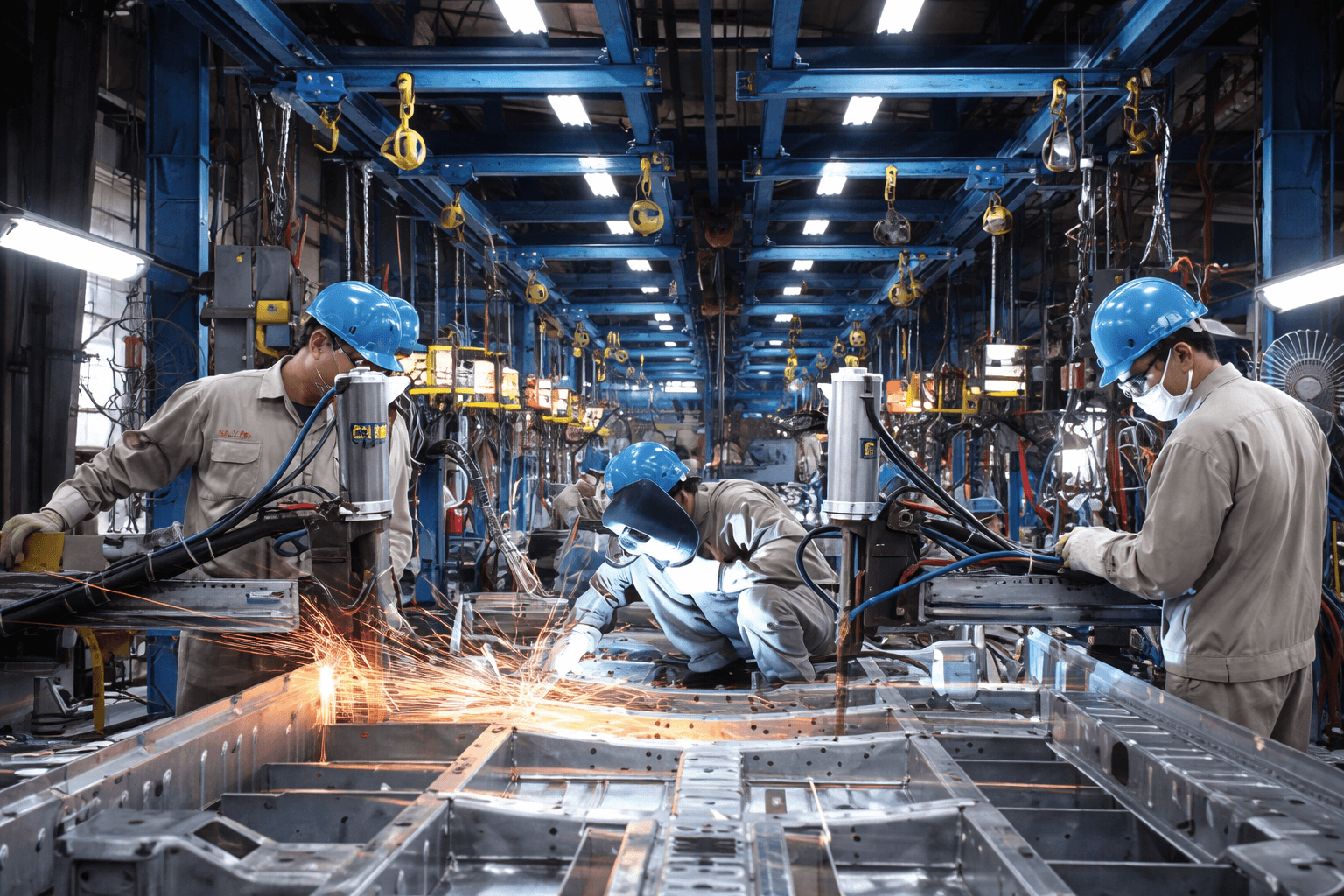
Mechanical systems include components related to:
- HVAC (Heating, Ventilation, and Air Conditioning)
- Elevators and escalators
- Compressed air systems
- Industrial refrigeration systems
These systems not only enhance user comfort but also optimize operations, improve energy efficiency, and extend the lifespan of the facility.
2. HVAC (Heating, Ventilation, and Air Conditioning) System
2.1. Concept
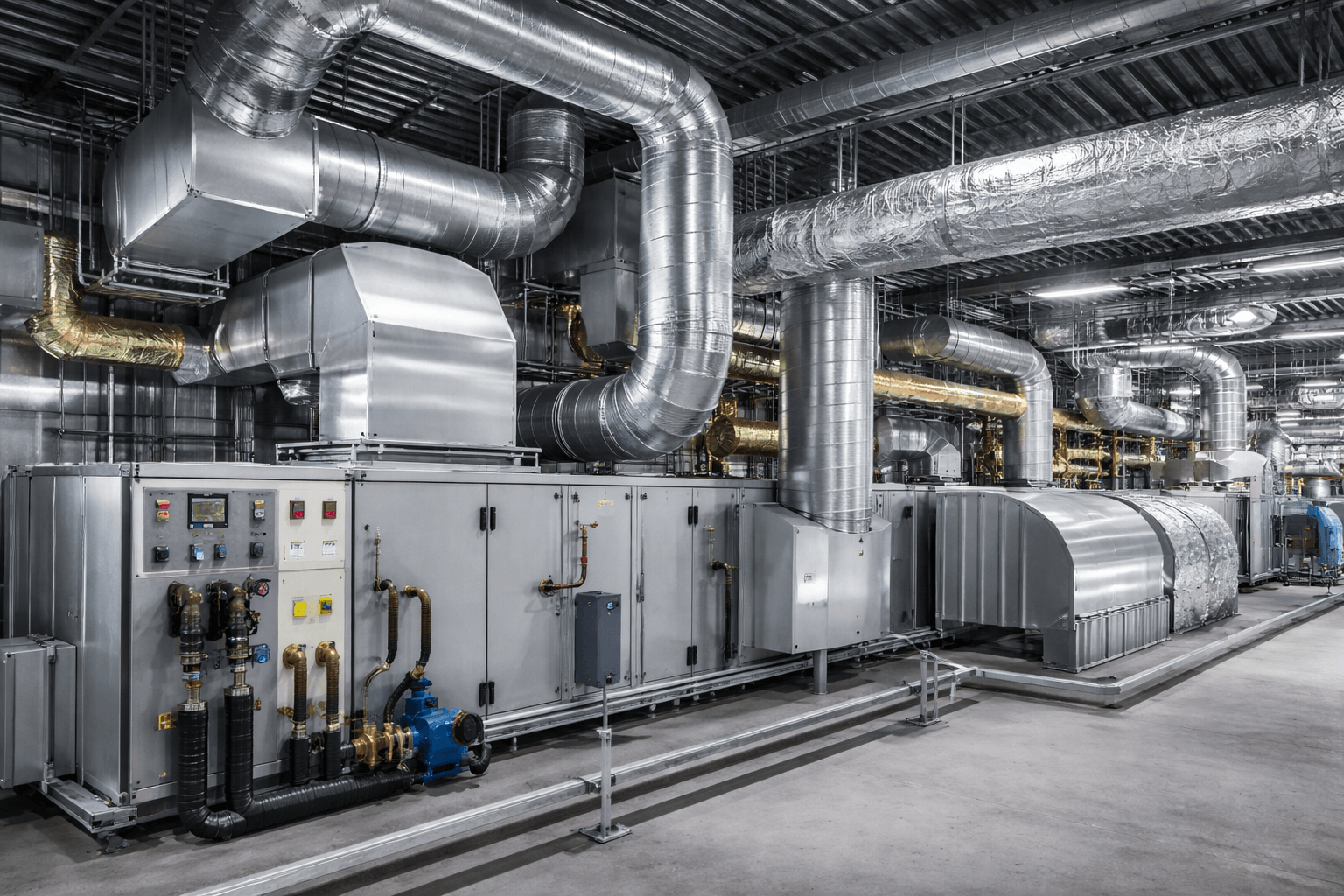
The HVAC (Heating, Ventilation, and Air Conditioning) system is a solution for controlling:
- Temperature
- Humidity
- Air quality
It is an essential system in office buildings, factories, shopping centers, hospitals, and more.
2.2. Main Components
- Chiller / VRV / VRF / AHU / FCU
- Ducting system
- Air filtration system
- Ventilation fans (exhaust fans, fresh air fans)
2.3. Roles and Benefits
- Ensure a comfortable working environment
- Control dust, bacteria, and toxic gases
- Save energy with inverter technology
- Improve production efficiency in factories
2.4. Practical Applications
- Office buildings and hotels
- Electronics and food manufacturing factories
- Data centers
3. Elevator & Escalator Systems
3.1. Overview
Elevator and escalator systems provide vertical and inclined transportation, playing a vital role in high-rise buildings and commercial facilities.

3.2. Types
- Passenger elevators
- Freight elevators
- Escalators
- Moving walkways
3.3. Main Components
- Cabin
- Traction machine
- Control panel
- Guide rail system
- Safety systems (brakes, sensors)
3.4. Advantages
- Fast and convenient transportation
- Increase the value of the facility
- Integration with smart systems (BMS, IoT)
3.5. Standards and Safety
- Compliant with international standards (EN, ISO)
- Automatic rescue system during power failure
- Strict periodic inspections
4. Compressed Air System
4.1. Concept
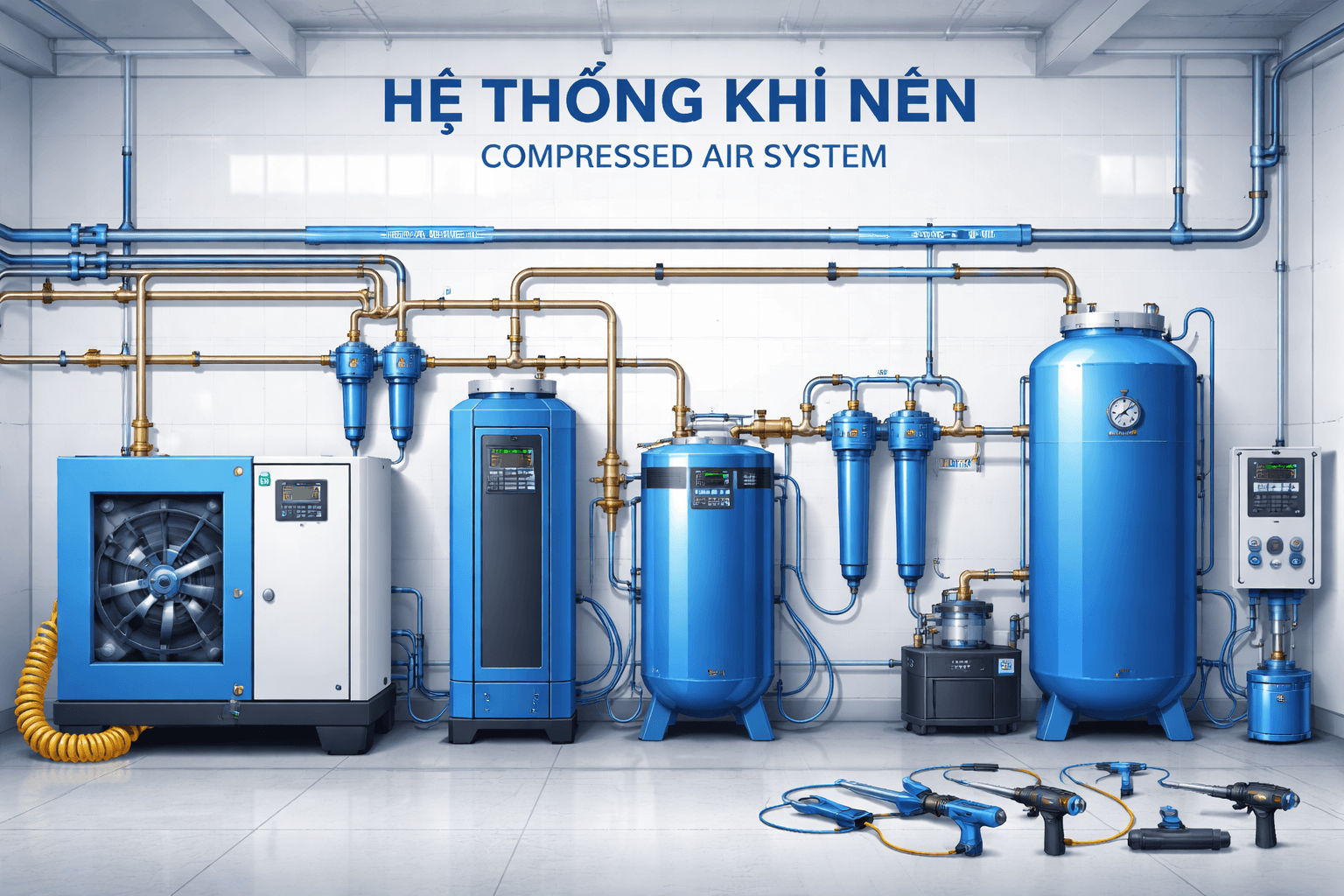
A compressed air system uses an air compressor to generate energy from compressed air, supplying power to industrial equipment.
4.2. Main Components
- Air Compressor
- Air Tank (Air Receiver)
- Air Dryer
- Air Filter
- Piping System
4.3. Role in Production
- Operating automated machinery
- Controlling valves and pneumatic cylinders
- Blowing off dust and cooling equipment
4.4. Advantages
- Safer than electricity in explosive or flammable environments
- Easy to maintain and operate
- Flexible for various applications
4.5. Applications
- Manufacturing plants
- Food & beverage industry
- Electronics and precision engineering industry
5. Industrial Refrigeration System
5.1. Overview
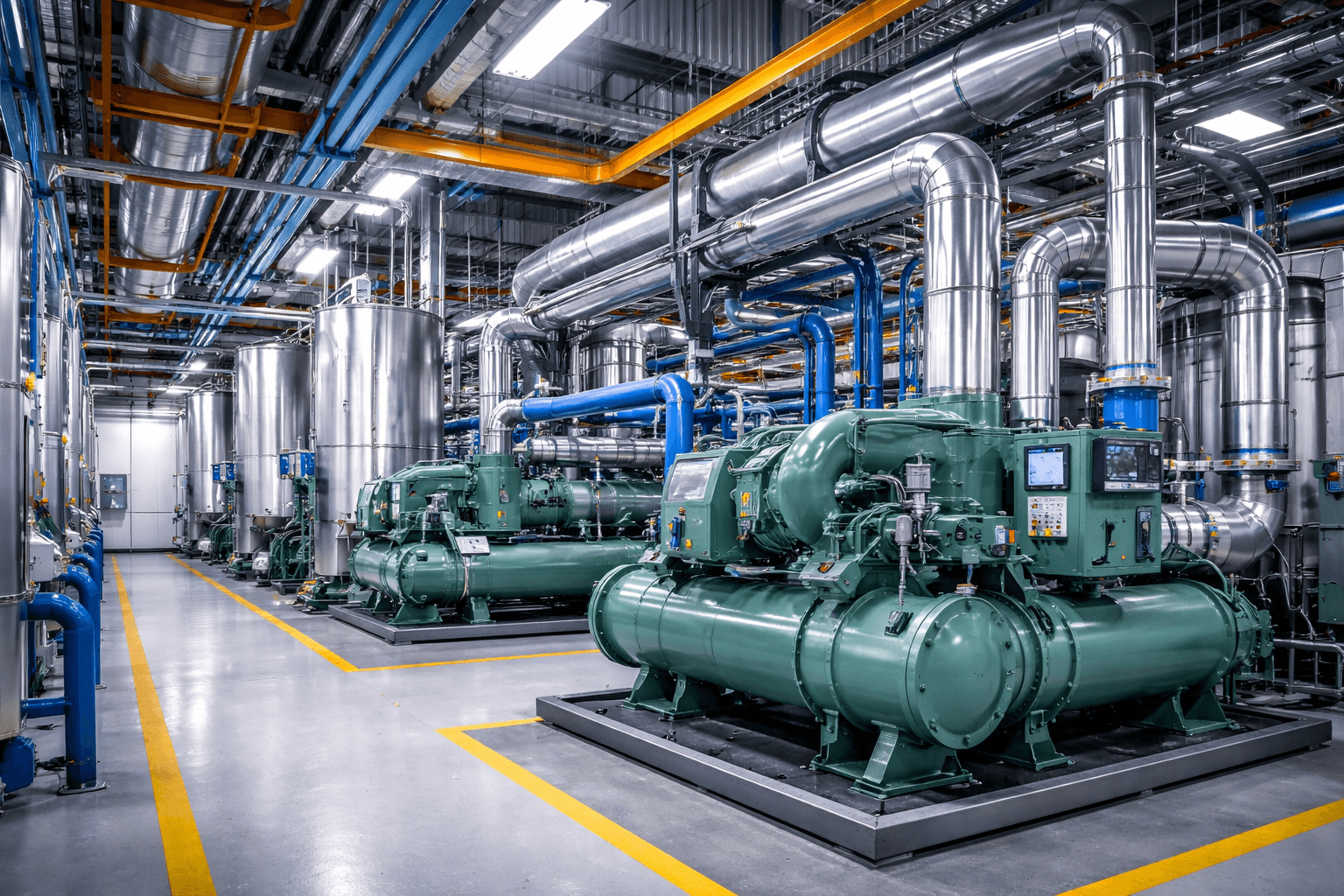
Industrial refrigeration systems are used for:
- Preserving goods
- Maintaining stable temperatures during production
They are especially critical in industries such as:
- Food
- Pharmaceuticals
- Logistics (cold storage)
5.2. Main Components
- Compressor
- Condenser
- Evaporator
- Refrigerant
- Control system
5.3. Types of Refrigeration Systems
- Cold Storage
- Blast Freezer
- Industrial Chiller
5.4. Benefits
- Long-term product preservation
- Ensures product quality
- Reduces losses and operating costs
5.5. Modern Trends
- Use of environmentally friendly refrigerants (R32, CO₂)
- Integration of IoT for remote monitoring
- Energy optimization with inverters
6. Conclusion
Mechanical systems (M – Mechanical) form a critical foundation in all modern buildings, from residential to industrial applications.
Investing properly and optimizing the design of systems such as:
- HVAC
- Elevators & escalators
- Compressed air systems
- Industrial refrigeration systems
will help to:
✔ Improve operational efficiency
✔ Save energy costs
✔ Ensure safety and comfort