


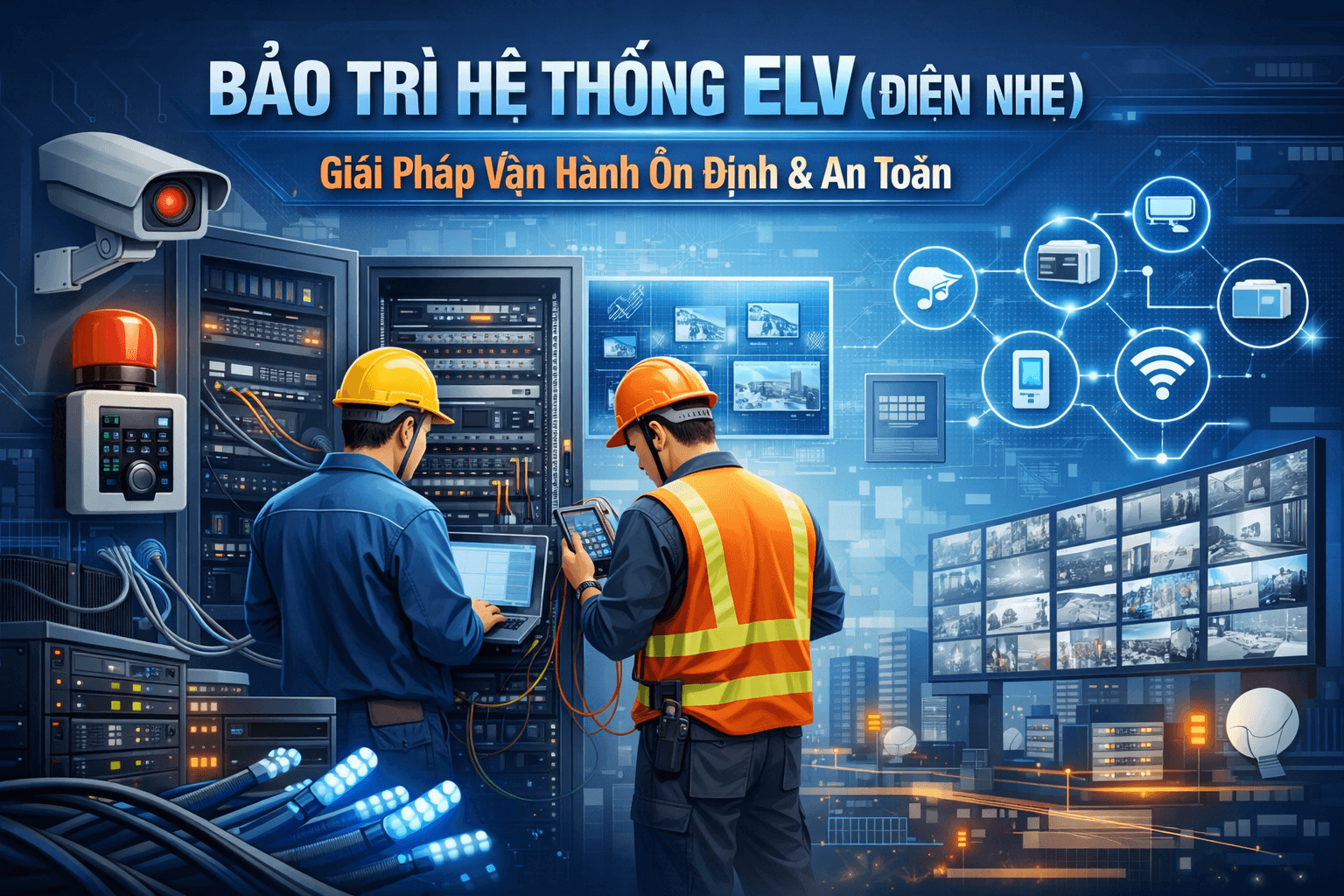
1. What is an ELV System?
An ELV (Extra Low Voltage) system is a collection of low-voltage systems used for operation, security, communication, and utilities in buildings, factories, and offices. These systems play a critical role in ensuring safety, monitoring, connectivity, and efficient operations.
Regular maintenance of ELV systems helps minimize failures, extend equipment lifespan, and ensure continuous operation.
2. Why is ELV System Maintenance Necessary?
- Ensure stable 24/7 system operation
- Detect potential issues early
- Extend equipment lifespan
- Reduce major repair costs
- Ensure security and safety for the facility
3. Detailed ELV System Maintenance Scope
3.1. CCTV (Surveillance Camera Systems)
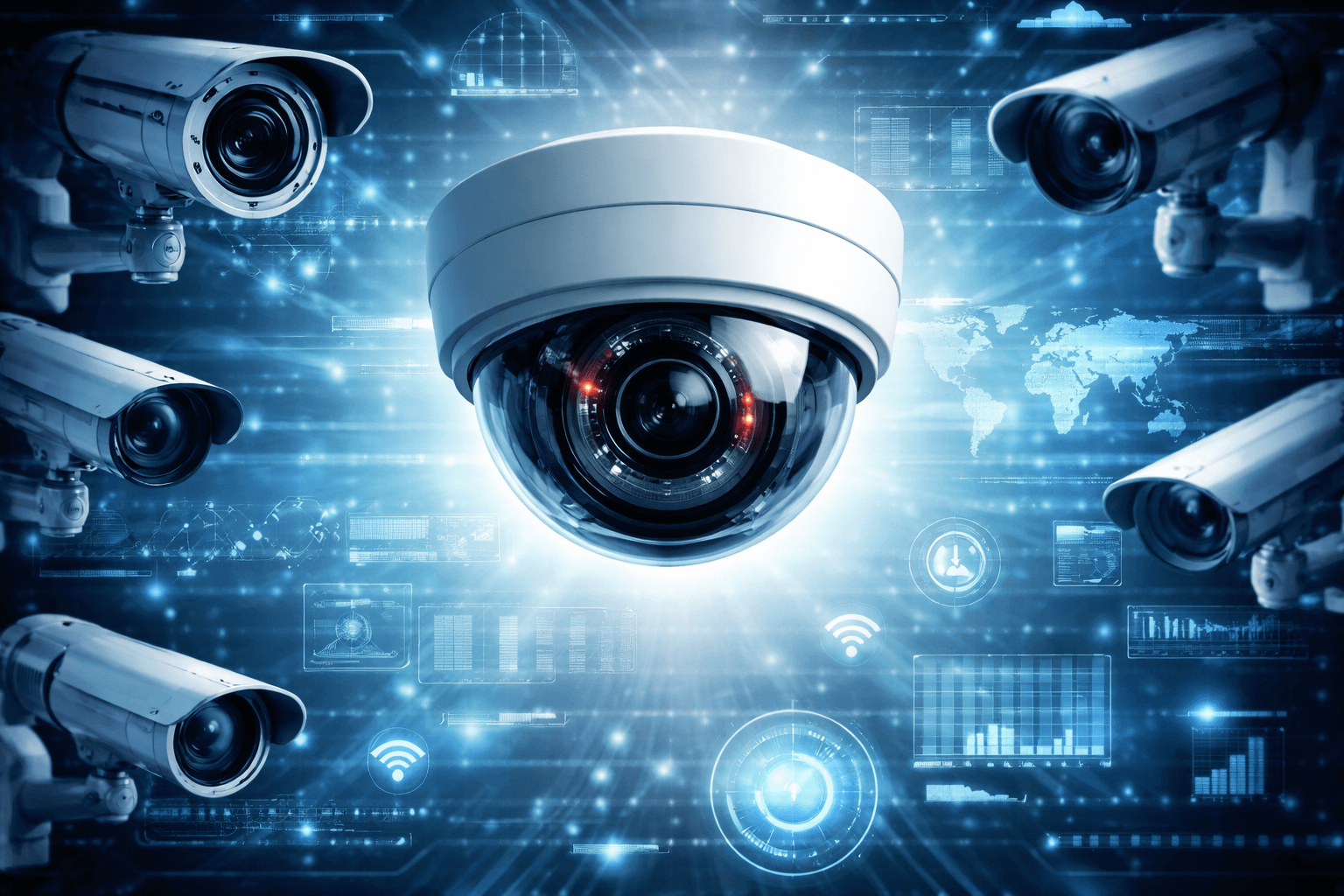
The CCTV system helps monitor security across the entire area.
Maintenance scope:
- Check camera operation status (image quality, viewing angle)
- Clean camera lenses and housings
- Inspect DVR/NVR recorders and storage hard drives
- Test remote viewing functionality
- Check signal cables and power supply
- Update firmware if necessary
Benefits:
- Clear, uninterrupted image quality
- Continuous security assurance
3.2. Access Control System
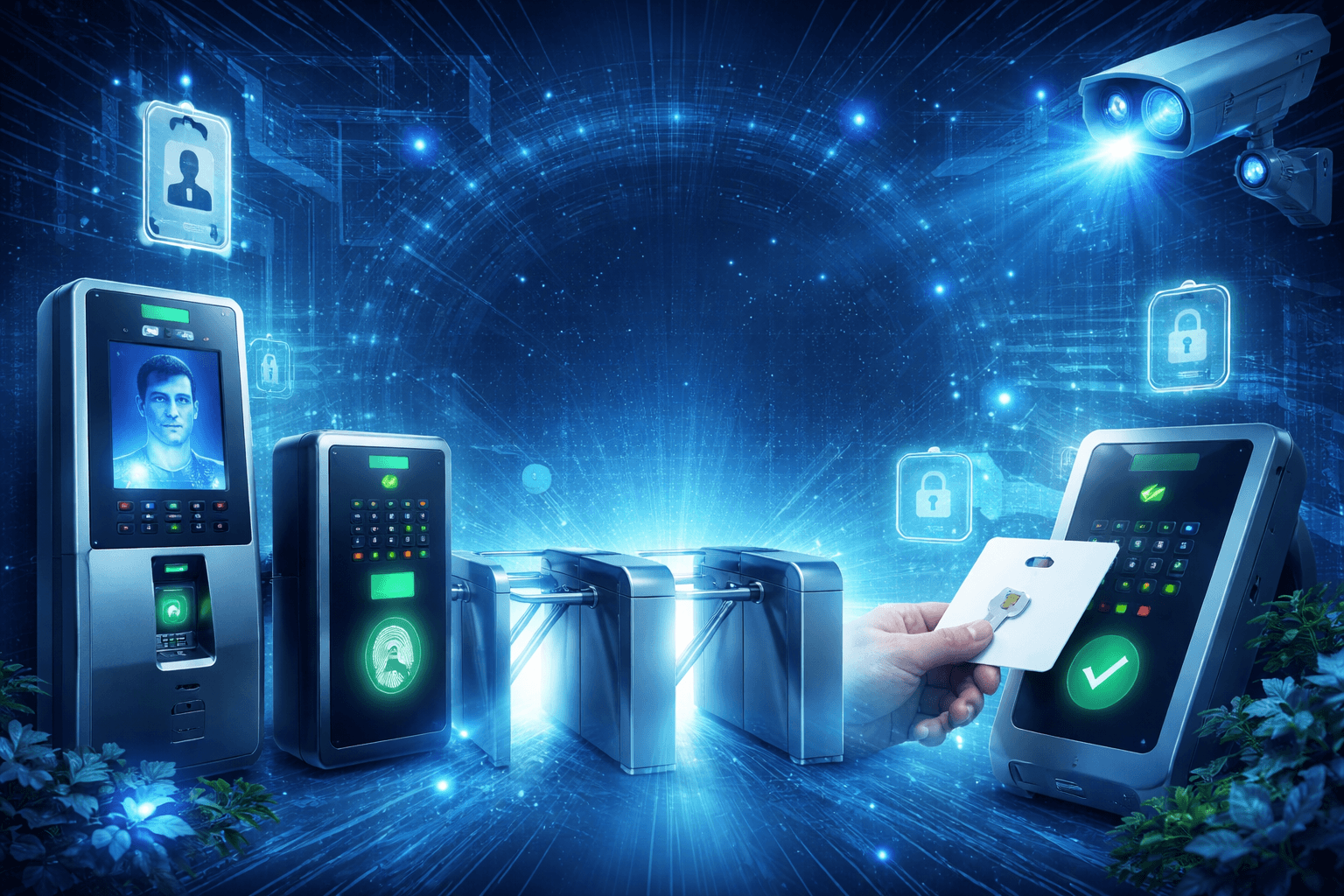
Used to control access via RFID cards, fingerprints, or facial recognition.
Maintenance scope:
- Inspect card/fingerprint readers
- Test door opening/closing (magnetic locks, electric locks)
- Check the management software
- Back up user data
- Inspect backup power supply (UPS)
Benefits:
- Accurate access control
- Prevent recognition errors
3.3. PA/BGM (Public Address & Background Music System)
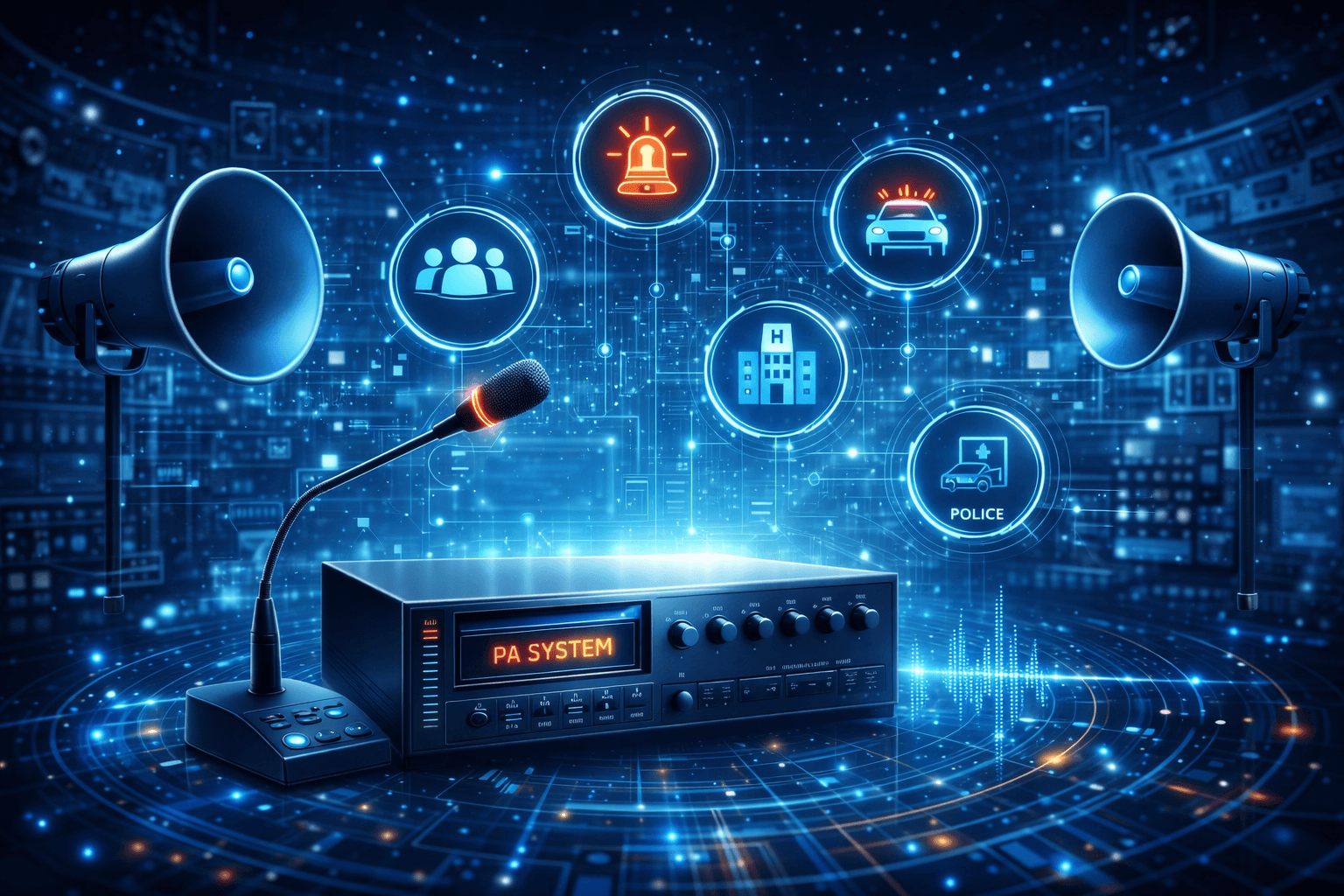
The audio system is used for announcements and background music.
Maintenance scope:
- Inspect speakers, amplifiers, and mixers
- Test audio in each zone
- Check microphones and the central controller
- Inspect signal cables and interference protection
- Test emergency announcement functionality
Benefits:
- Clear sound with no distortion or interference
- Ready for emergency announcements
3.4. LAN & Internal Telephone System
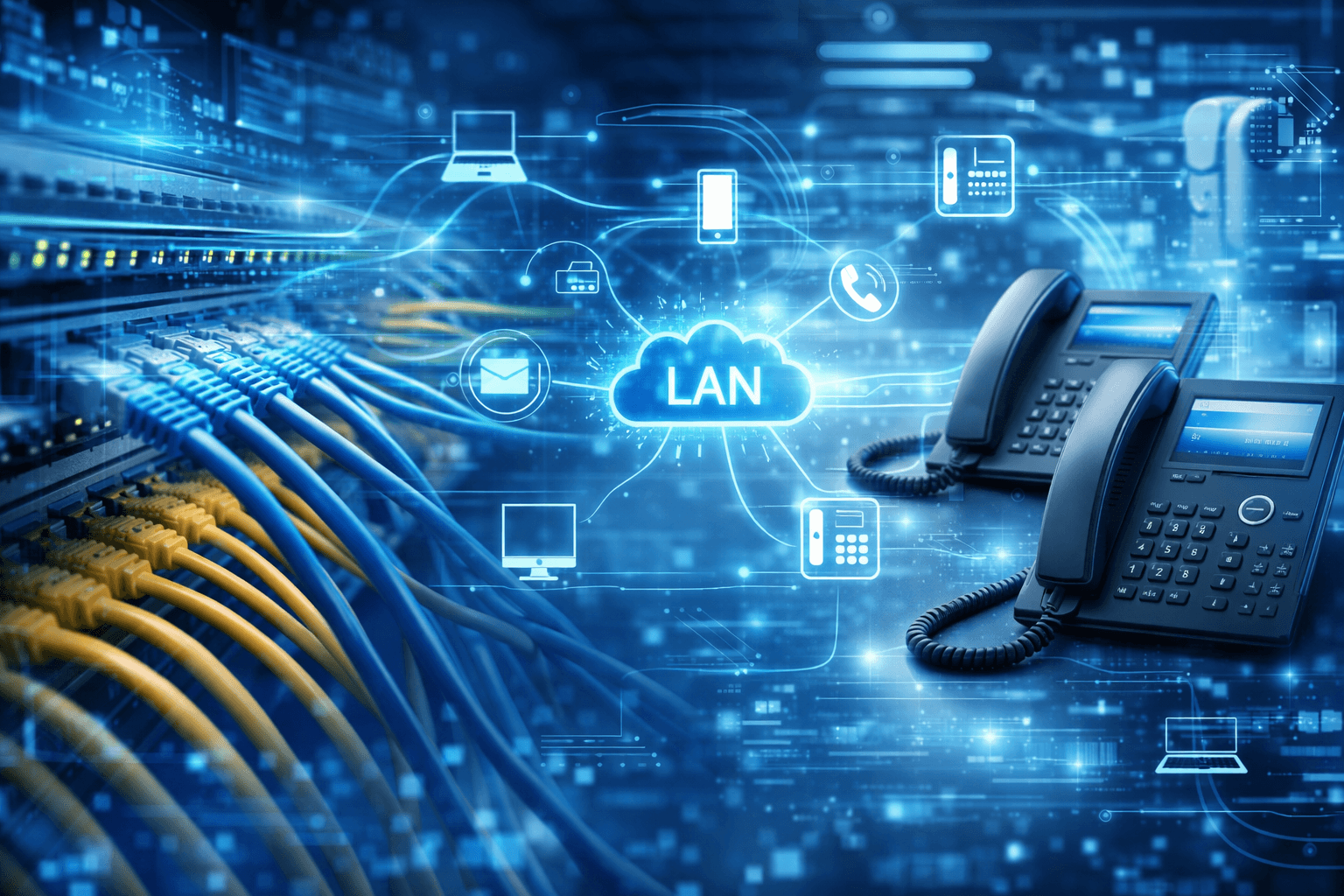
This is the backbone system for all connectivity operations.
Maintenance scope:
- Inspect switches, routers, and firewalls
- Test internal network speed
- Check network cables and patch panels
- Inspect the telephone system (PBX)
- Backup device configurations
Benefits:
- Stable, high-speed connectivity
- Minimized work disruptions
3.5. Fire Alarm & Intrusion Alarm Systems
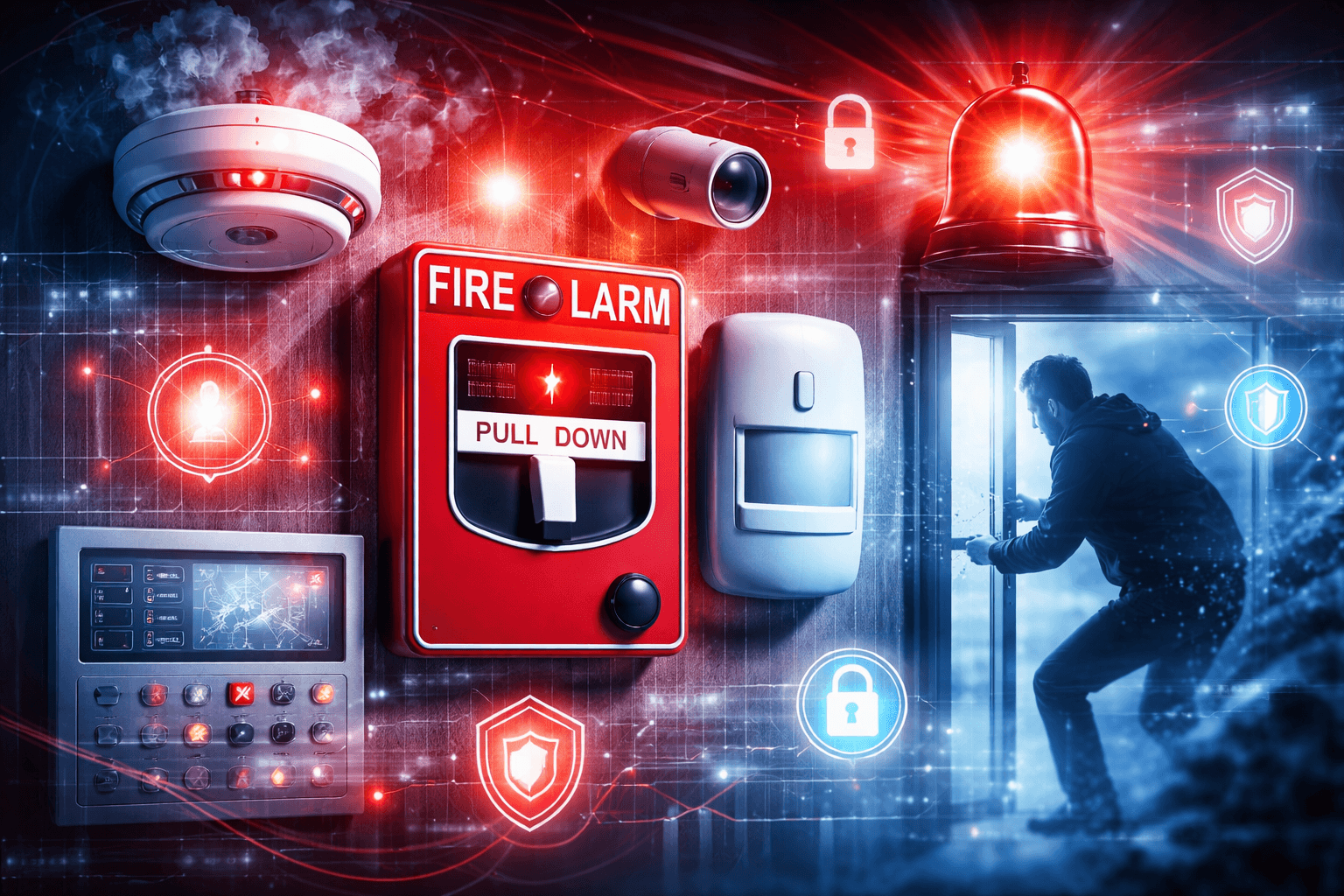
This is a critical system directly related to safety.
Maintenance scope:
- Inspect smoke and heat detectors
- Test the fire alarm control panel
- Check sirens and alarm indicators
- Test intrusion alarm systems (motion sensors, door sensors)
- Inspect backup power supply
Benefits:
- Rapid incident detection
- Ensures the safety of people and assets
3.6. Conference & Presentation System

Used for online meetings and presentations within organizations.
Maintenance scope:
- Inspect displays and projectors
- Test conference cameras and microphones
- Check the central control system
- Test connectivity with meeting software (Zoom, Teams, etc.)
- Inspect HDMI cables and signal distribution devices
Benefits:
- Stable audio and visual quality
- Professional and seamless meetings
4. Standard ELV System Maintenance Process
- System survey and assessment
- Maintenance planning
- Inspection, cleaning, and system testing
- Issue identification and troubleshooting
- Detailed reporting to the client
5. Recommended Maintenance Frequency
- Monthly: Basic inspections
- Quarterly: Comprehensive maintenance
- Annually: In-depth inspection and upgrades
6. Conclusion
ELV system maintenance not only ensures stable system operation but also enhances safety, security, and overall performance of the facility. Therefore, businesses should choose professional maintenance providers and conduct regular servicing to avoid unexpected risks.