


In the MEP field, Electrical (E) – the electrical system – plays a core role, ensuring the entire building operates stably, safely, and efficiently. A complete electrical system not only provides energy but also optimizes operation, saves costs, and extends equipment lifespan.
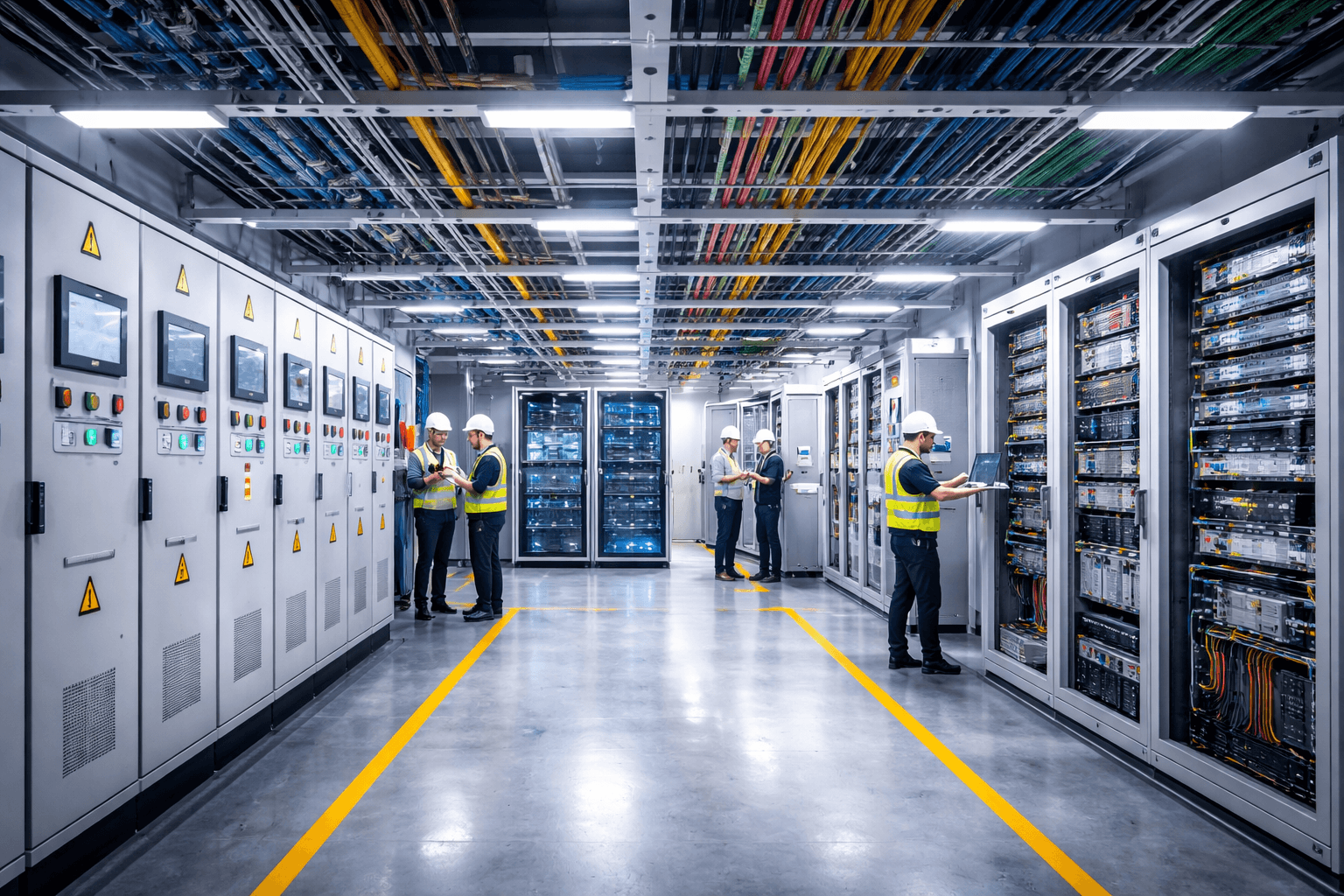
1. Power Electrical System
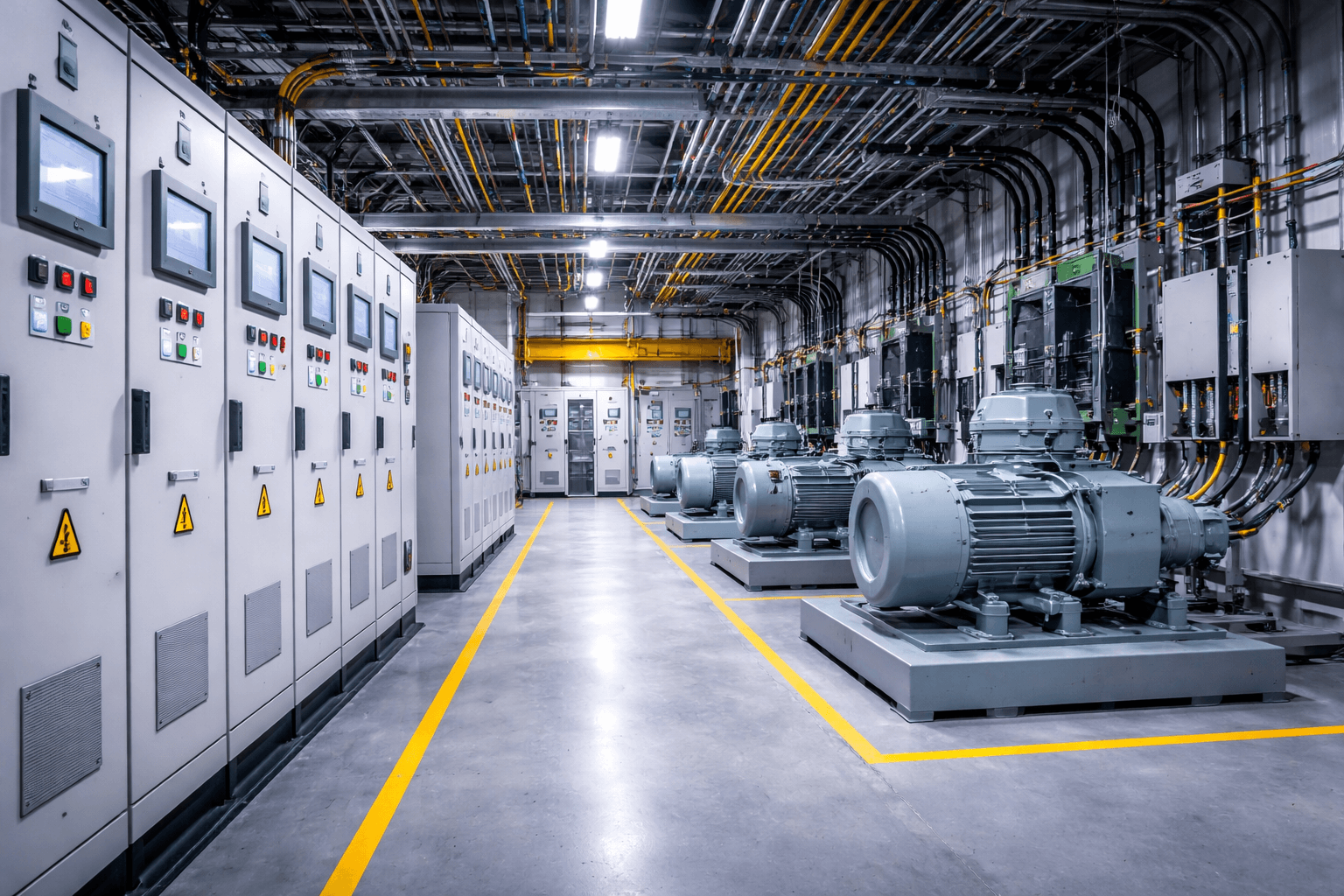
Concept
The power system is responsible for supplying and distributing electrical energy to high-power consumption equipment, such as:
- Production machinery
- HVAC systems (heating, ventilation, and air conditioning)
- Elevators and water pumps
- Industrial equipment
Main Components
- Substation
- Medium- and low-voltage switchboards (MSB, MDB, DB)
- Backup generators
- Electrical cable systems and cable trays
- ATS (Automatic Transfer Switch)
Role
- Ensure a continuous power supply
- Distribute electricity efficiently and prevent overload
- Improve overall system operational efficiency
2. Lighting System
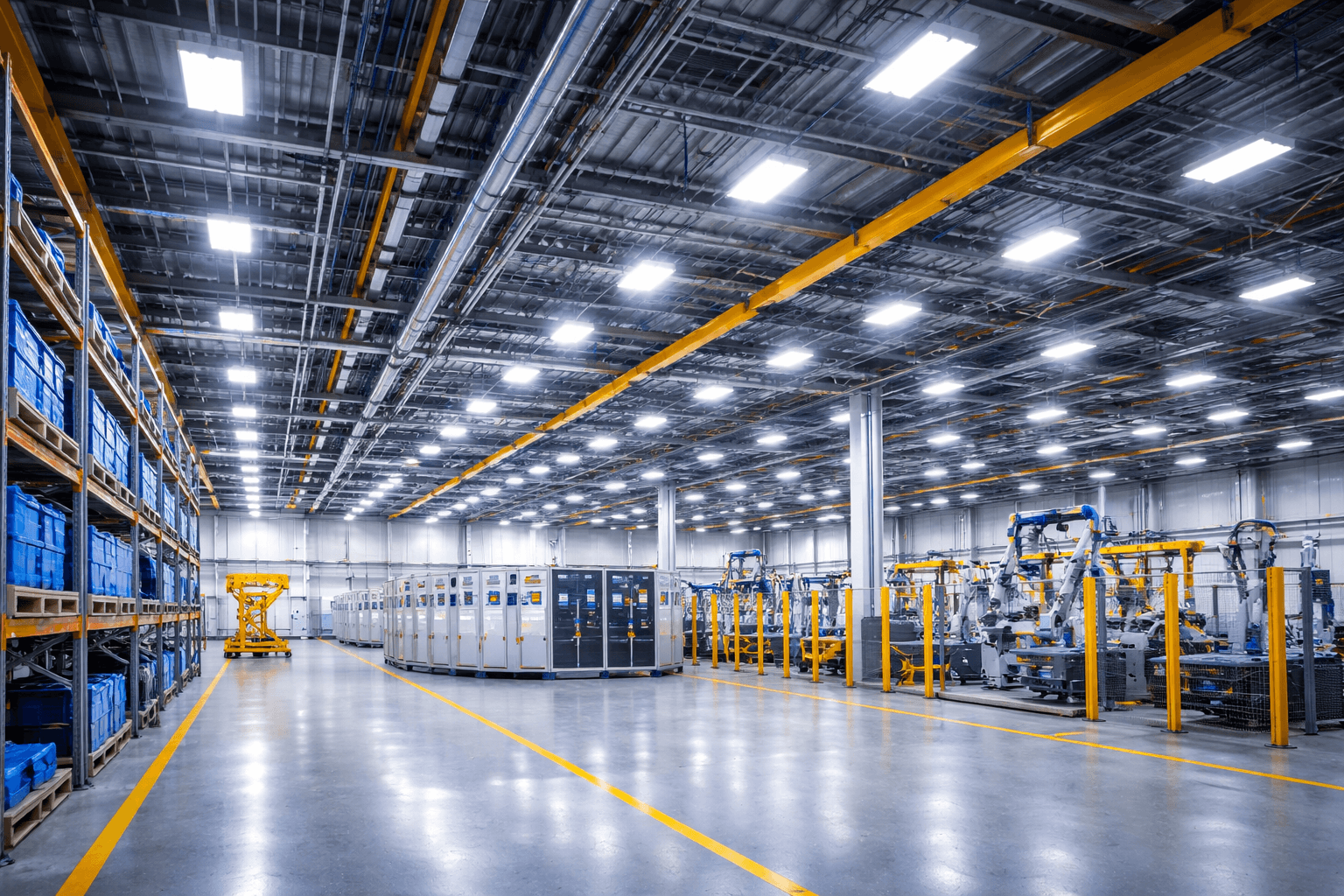
Concept
The lighting system provides illumination for daily activities, work, and production within a facility.
Types
- Indoor lighting (offices, factories)
- Outdoor lighting (landscapes, internal roads)
- Emergency lighting
- Decorative lighting
Components
- LED lights, fluorescent lamps, and industrial lighting fixtures
- Switches and dimmers for light control
- Smart lighting control systems
Advantages of Modern Lighting Systems
- Energy-efficient (high LED efficiency)
- Long lifespan
- Can be integrated with IoT and automation systems
Key Standards to Consider
- Illuminance (Lux)
- Color Rendering Index (CRI)
- Correlated Color Temperature (CCT)
3. Lightning Protection & Grounding System
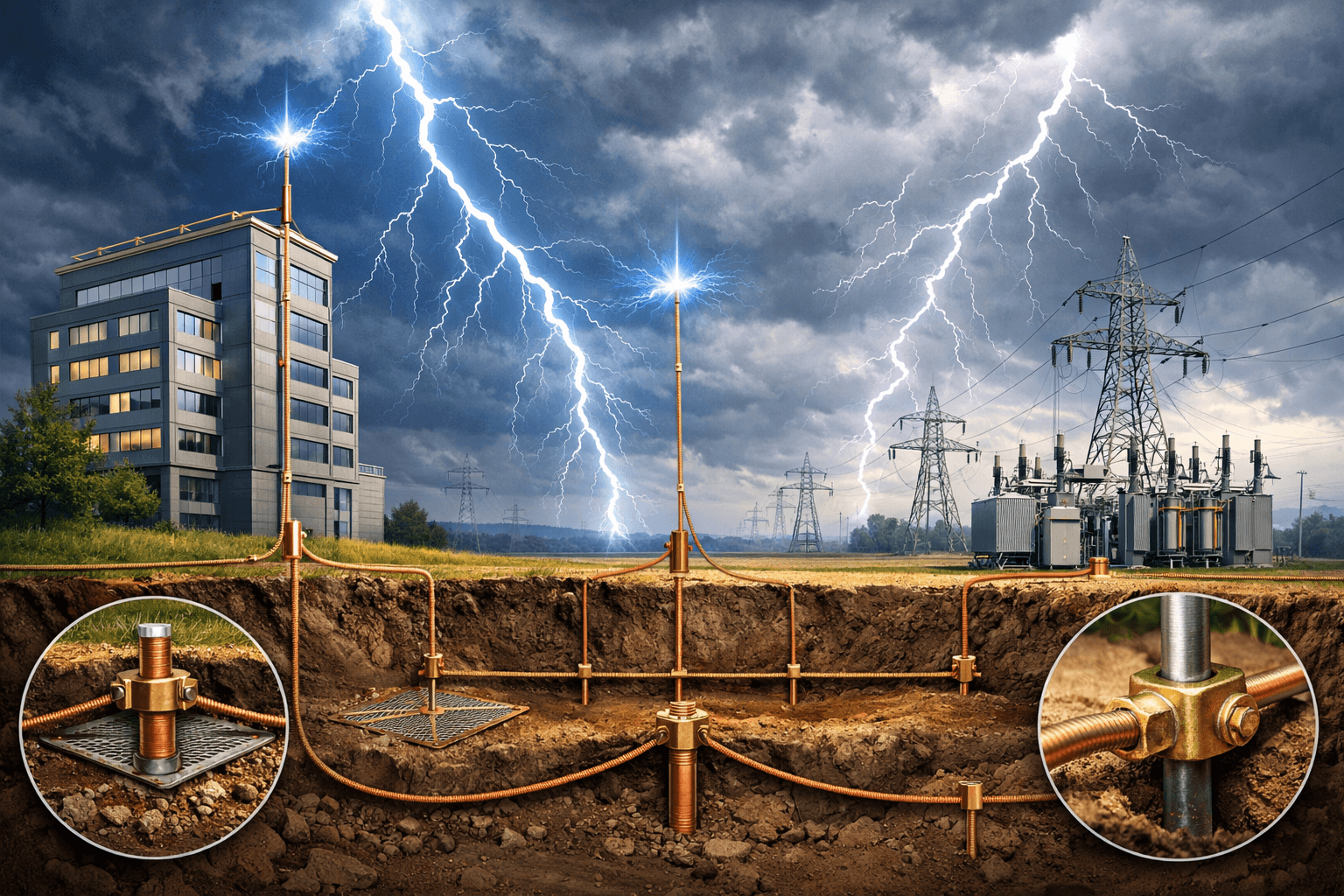
Concept
This system is designed to protect buildings and equipment from incidents caused by lightning strikes and electrical leakage.
3.1 Lightning Protection System
Includes:
- Lightning rods (Franklin or ESE)
- Down conductors
- Grounding electrodes
Function:
- Safely conduct the lightning current to the ground
- Minimize risks of fire, explosion, and equipment damage
3.2 Grounding System
Types of grounding:
- Protective grounding (PE)
- Lightning grounding
- Functional grounding (for equipment)
Role:
- Protect people from electric shock
- Stabilize system voltage
- Reduce signal interference (especially important for ELV systems)
Technical Standards
- Ground resistance typically < 4 Ohms (depending on the project)
- Compliance with IEC 62305 and TCVN 9385 standards
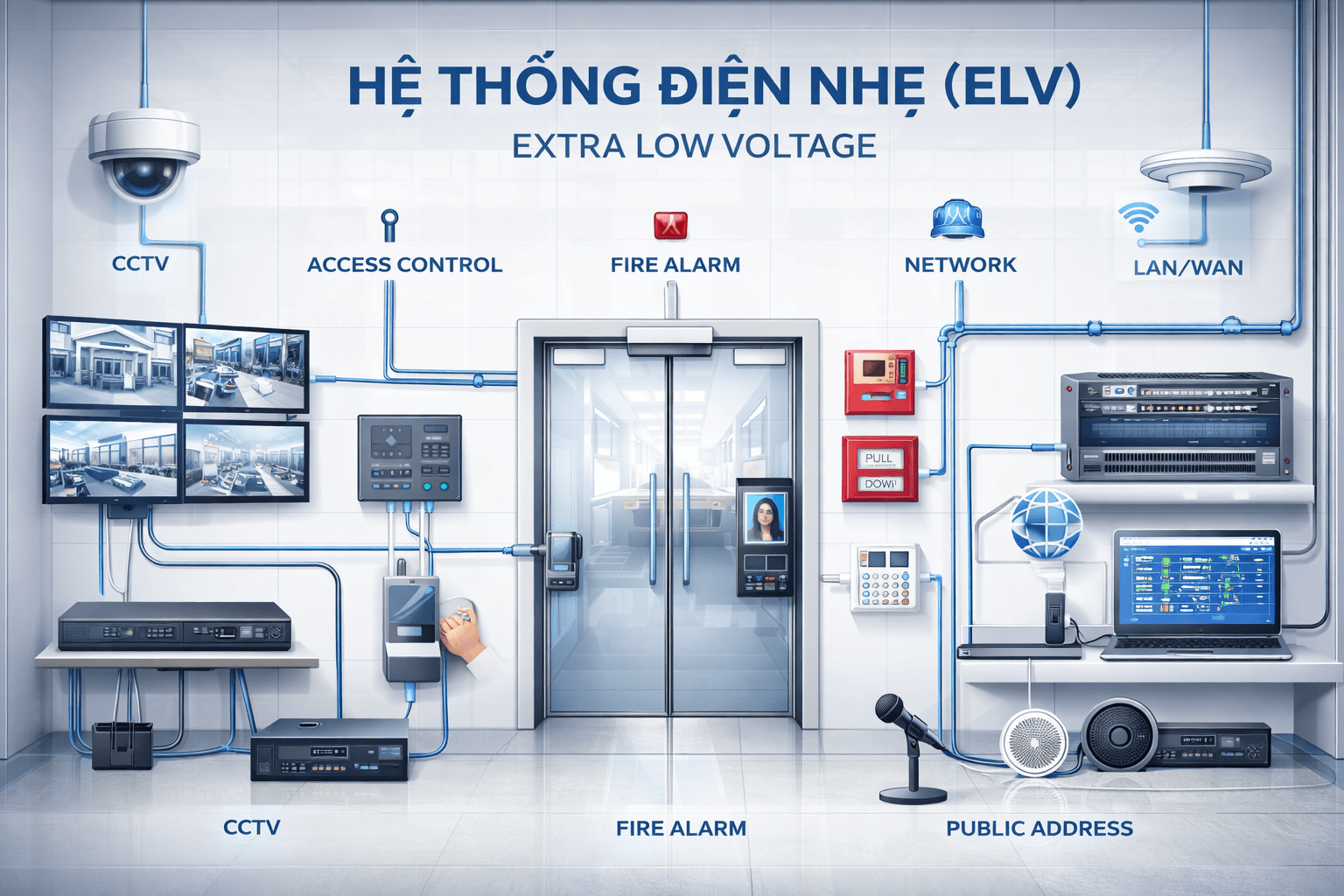
4. ELV System (Extra Low Voltage)
Concept
ELV (Extra Low Voltage) refers to low-voltage systems (<50V AC) used for signal transmission and control.
Common ELV Systems
4.1 Network System
- Provides internet and internal connectivity
- Uses CAT5e, CAT6 cables, and fiber optics
4.2 CCTV (Surveillance Camera System)
- 24/7 security monitoring
- Image data storage and retrieval
4.3 Access Control System
- Personnel and security management
- Uses RFID cards, fingerprints, or facial recognition
4.4 Fire Alarm System
- Early detection and warning of fire incidents
- Integrated with fire protection systems
4.5 Public Address (PA) System
- Broadcasts announcements and background music
- Used in buildings and factories
Advantages of ELV Systems
- Enhances safety
- Easy integration with smart systems (Smart Buildings)
- Supports efficient management and operations
Summary
The Electrical (E) system is an essential foundation for all modern facilities. Proper design and installation of key components such as:
- Power system
- Lighting system
- Lightning protection & grounding
- ELV systems
will help ensure:
✔ Safe operation
✔ Energy efficiency
✔ Optimized long-term costs
✔ Increased asset value of the facility